
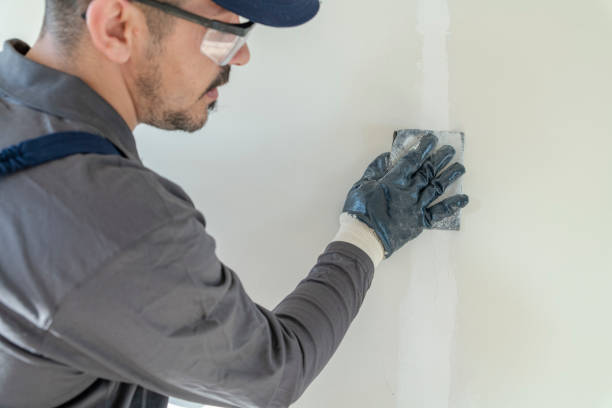
Selecting the right commercial painter for your business is not just about aesthetics; it’s about ensuring quality, professionalism, and long-term value. A skilled and reliable commercial painter can transform your space, enhance its appeal, and even boost employee productivity and customer satisfaction. This guide will help you navigate the process of finding the perfect professional for your project.
Benefits of Hiring a Professional Commercial Painter
- Expertise and Skill: Professional painters have the technical knowledge to deliver high-quality results tailored to different surfaces and materials.
- Efficient Project Management: They work within deadlines, ensuring minimal disruption to your business operations.
- Access to High-Quality Products: Professionals use premium paints and tools that provide better durability and finish.
- Compliance with Safety Standards: Experienced contractors are familiar with safety regulations, protecting both workers and occupants during the project.
- Cost Savings in the Long Run: A professionally completed job reduces maintenance needs over time.
Steps to Choose the Right Commercial Painter
- Look for painters with proven experience in large-scale or similar projects.
- Check their portfolio for examples of past work in commercial spaces.
- Read online reviews on platforms like Google or Yelp.
- Request references from past clients to verify reliability.
- Ensure they have appropriate licenses to operate in your area.
- Confirm they carry liability insurance and workers’ compensation coverage.
- Obtain written estimates that include labor costs, materials, timelines, and any additional charges.
- Avoid vague pricing structures that could lead to unexpected expenses.
- A good contractor will communicate clearly about timelines, potential issues, and expectations throughout the project.
- Inquire about their preparation methods (e.g., surface cleaning or priming).
- Confirm whether they use eco-friendly or low-VOC (volatile organic compound) paints if sustainability is important for your company.
Questions to Ask Potential Candidates
- How long have you been in business?
- Have you worked on projects similar to ours?
- What type of paint products do you recommend for our space?
- How do you minimize disruption during painting projects?
- Can you provide warranties or guarantees on your work?
Checklist for Choosing a Commercial Painter
| Criteria | Yes/No | Notes |
| Licensed & Insured | ||
| Relevant Experience | ||
| Positive Client Reviews | ||
| Transparent Pricing | ||
| Clear Communication |
By considering these factors carefully, you’re more likely to hire a trusted professional who will deliver not only excellent results but also peace of mind throughout the project lifecycle.
Tips for Choosing the Right Exterior Painting Expert for Your Project
Selecting the right commercial painter is a critical step in ensuring your project is completed efficiently, professionally, and within your budget. Commercial painting differs from residential painting due to its scale, complexity, and the potential impact on your business operations. Whether you’re refreshing an office space or revamping a retail store, here’s how to choose the best painter for your needs.
Evaluate Experience and Expertise
- Industry-Specific Experience: Does the painter have expertise in your specific industry (e.g., retail spaces, warehouses, hotels)?
- Project Scale: Have they managed projects of similar size and scope?
- Portfolio: Review their previous work to assess quality and attention to detail.
Check whether they use specialized techniques or materials that align with your project requirements. For example: | Specialty | Examples | |———–|———-| | Coating Types | Epoxy coatings for industrial settings or anti-microbial paints for healthcare facilities | | Surface Types | Concrete walls, metal frameworks, or textured surfaces |
Verify Licensing and Insurance
- Licensing: Check with local authorities if the painter holds up-to-date licenses.
- Liability Insurance: Ensures you won’t be held responsible for accidents or property damage.
- Worker’s Compensation Insurance: Covers injuries sustained by workers on-site.
A reliable painting company should readily provide proof of these credentials.
Assess Communication Skills
- Respond promptly to inquiries.
- Provide detailed quotes outlining costs, timelines, materials, and warranties.
- Offer consistent updates throughout the process.
Look for contractors who take time to understand your vision and provide professional advice when necessary.
Consider Reputation and References
Researching a company’s reputation helps ensure you’re partnering with a trusted professional: – Online Reviews: Browse platforms like Google Reviews or Yelp. – References: Ask the contractor for client references relevant to similar projects. – Accreditations: Check if they are associated with trade organizations or professional bodies like PDCA (Painting Contractors Association).
Take time to contact past clients directly and inquire about their experiences with workmanship quality, timeliness, professionalism, etc.
Examine Pricing Transparency
While it may be tempting to choose the lowest bid, this could lead to subpar results in terms of quality or durability. Instead: – Compare quotes from multiple contractors while ensuring they cover every aspect of labor/materials required. – Ask about potential hidden fees such as prep work costs or cleanup services post-painting.
| Contractor | Base Price | Prep Work Included? | Warranty Duration | Cleanup Costs Included? |
| Painter A | $10,000 | Yes | 2 years | Yes |
| Painter B | $8,500 | No | 1 year | No |
Opting for transparency protects you against unexpected expenses later on.
Inspect Materials and Techniques
High-quality materials ensure long-lasting results: – Ask which paint brands are used—reputable brands offer better durability. – Ensure eco-friendly options like low-VOC paints if sustainability is important.
Furthermore: 1. Learn about surface preparation methods (e.g., power washing). 2. Confirm techniques used per surface type—rolled finishes vs sprayed applications often yield different results depending on area size/texture requirements.
By evaluating these considerations thoughtfully upfront you’ll strengthen likelihood toward seamless execution/completion aligning expectations!
Understanding Priorities and Scope for a Successful Interior Painting Job
When planning a commercial painting project, understanding the priorities and scope is essential to achieving a successful outcome. A clear definition of your project’s goals, limitations, and requirements will ensure that all stakeholders are aligned and that the result meets your expectations. Below are some key steps to define the priorities and scope effectively.
Define Your Goals
- Improving brand identity: Use colors that align with your company’s branding.
- Enhancing customer experience: Create an inviting atmosphere for clients or customers.
- Boosting employee productivity: Promote a positive work environment with suitable color schemes.
- Protecting assets: Extend the life of your building through protective coatings.
By understanding the purpose behind the project, you can better communicate your needs to prospective painters.
Assess the Scope of Work
- Walls (interior or exterior)
- Ceilings
- Floors
- Specialized surfaces like metal or concrete
- Measure square footage for precise estimates.
- Note how many rooms or sections need painting.
- Are there cracks, peeling paint, or water damage?
- Will sanding, priming, or repairs be required before application?
- Specific color palettes or finishes (e.g., matte vs. glossy).
- Anti-slip coatings for floors.
- Compliance with environmental regulations such as VOC (volatile organic compounds) limits.
Budgeting and Timeline Considerations
A well-defined budget and timeline are integral to success. Consider factors like material costs, labor rates, and potential downtime for business operations while setting these parameters.
- Budget Planning: | Expense Category | Estimated Cost Range | |————————-|—————————| | Paint Materials | Medium-high | | Labor | High | | Repairs/Preparation | Low-medium |
- Timeline Management: Outline desired start dates and deadlines while factoring in potential delays due to weather conditions (for exterior projects) or supply chain issues.
Prioritizing Areas
- Entryways: First impressions matter; prioritize these zones for maximum impact.
- Customer-facing spaces: Lobbies, retail spaces, or waiting rooms should reflect professionalism.
- Back-office areas: While less visible to visitors, they should still provide a pleasant working environment.
Communication with Contractors
Once you’ve outlined priorities and scoped out work details internally, share this information clearly with potential painters during consultations. A well-prepared client facilitates accurate estimates and smoother collaboration throughout the process.
By approaching your commercial painting project with defined priorities and a clear scope of work in mind from the beginning, you’ll set yourself up for success—ensuring both efficiency in execution and satisfaction in results.

Essential Tips for Choosing a Reliable Florida House Painting Company
Selecting the right commercial painting company is a critical decision that can profoundly impact the appearance, durability, and overall success of your project. With so many options available, it’s essential to evaluate potential contractors carefully. Here are the key factors to keep in mind when identifying a trustworthy and capable painting partner.
1. Experience and Expertise
- Years in Business: Longevity often indicates stability and consistency in delivering quality results.
- Portfolio of Previous Projects: A review of past work can demonstrate their expertise in handling projects similar to yours, whether it’s an office building, retail space, or industrial facility.
- Specialized Skills: Look for companies with experience in specific needs like high-durability coatings, textured finishes, or working with unique surfaces (e.g., metal or concrete).
2. Licensing and Insurance
- General Liability Insurance: Protects you in case of property damage during the project.
- Workers’ Compensation Insurance: Ensures you won’t be held accountable for any on-site injuries involving painters.
3. Reputation and References
- Read online reviews on platforms such as Google Reviews or Yelp.
- Request references from past clients to gain insights into their experiences with the company.
- Check ratings with organizations like the Better Business Bureau (BBB) for additional verification.
4. Quality Assurance Practices
- Use of high-quality materials and paints from reputable brands.
- Thorough surface preparation techniques to ensure durability.
- Implementation of quality checks during and after project completion.
5. Communication and Customer Service
- Provide detailed proposals outlining scope, timelines, materials, budget estimates, etc.
- Offer prompt responses to inquiries or concerns during the planning phase.
- Show flexibility in accommodating your business operations while minimizing disruption.
6. Pricing Transparency
| Cost Element | What To Look For |
| Detailed Estimates | A clearly itemized breakdown of labor costs, materials, etc. |
| No Hidden Fees | Guarantee against unexpected charges late in the process |
Avoid companies offering significantly lower bids than others; this could indicate subpar quality or hidden costs later on.
7. Warranties and Guarantees
- The duration of warranty coverage (e.g., one year vs five years).
- What aspects are covered—peeling paint? Fading? Improper application?
Having written assurances demonstrates confidence in their craftsmanship.
By focusing on these factors when selecting a commercial painting company, you can minimize risks while ensuring your investment results in a long-lasting finish that meets—and even exceeds—your expectations.
What to Look for in a Professional Commercial Painting Partner
1. Proven Experience and Expertise
A professional painting partner must have substantial experience in handling commercial projects of varying sizes and complexities. Look for:
– Portfolio of Past Projects: Request examples of work similar to yours (e.g., retail spaces, office buildings, warehouses).
– Industry-Specific Knowledge: Painters with expertise in your sector understand unique requirements like safety regulations or branding consistency.
2. Licensing, Insurance, and Certifications
To ensure legal compliance and risk mitigation during the project:
– Verify that they hold the necessary licenses for operating in your area.
– Confirm their insurance coverage, including liability and worker’s compensation to protect against accidents or damages.
– Look for certifications from organizations such as the Painting Contractors Association (PCA), which reflect high industry standards.
| Requirement | Why It Matters | What to Check |
| Licensing | Ensures compliance with laws | Local/state license number |
| Insurance | Coverage for damages & safety | Liability & worker’s comp policies |
| Certifications | Reflects quality standards | PCA membership or similar credentials |
3. Reputation and References
A strong reputation is a hallmark of a dependable commercial painter. Check:
– Online Reviews: Platforms like Google or Yelp provide insights from past clients about timeliness, professionalism, and overall satisfaction. – References: Ask for direct client references to discuss firsthand experiences. – Awards or Recognitions: Industry accolades signal exceptional service.
4. Communication and Transparency
Clear communication ensures your goals align with their approach throughout the project lifecycle. Evaluate their ability to provide:
– Detailed written estimates covering labor, materials, timelines, and any potential additional costs upfront.
– Open channels of communication during planning stages and execution phases.
5. Use of High-Quality Materials & Techniques
Professional painters prioritize durability by recommending premium paints suited to your business environment. Discuss considerations such as:
– Use of non-toxic paints for employee safety. – Appropriate finishes based on traffic levels (e.g., matte vs semi-gloss).
6. Commitment to Deadlines Without Compromising Quality
Timeliness is critical in minimizing disruptions to business operations. When assessing a painting partner’s reliability: – Review their track record for meeting deadlines on past projects. – Ask about contingency plans if unexpected delays occur.
By keeping these factors in mind, you can confidently select a professional commercial painting partner who aligns with your needs while delivering outstanding results tailored specifically for your space.
The Complete Process of Hiring House Painters Florida for Your Commercial Painting Project
When preparing for a commercial painting project, careful planning and thorough execution are essential to ensure success. Whether you’re refreshing the interior look of an office or enhancing the exterior appeal of a retail space, understanding the full process can help you achieve optimal results. Below is a detailed walkthrough of the steps involved in planning and executing a commercial painting project.
Step 1: Define the Scope of Work
The first step is defining the scope of your project. This includes:
– Identifying Areas to Paint: Interior rooms, building exteriors, ceilings, or specific sections.
– Determining Desired Outcomes: Are you looking for aesthetic improvements, protection from weather elements, or both?
– Setting Goals: Establish timeframes and clarify budget constraints.
A clear scope prevents misunderstandings and ensures all stakeholders are aligned.
Step 2: Choose the Right Painting Contractor
Selecting an experienced contractor is critical to achieving professional results. Look for companies that offer:
– Comprehensive services tailored to commercial needs.
– A strong portfolio with references from previous clients.
– Proper licensing and liability insurance coverage.
Research reviews online or request recommendations from industry peers to identify reputable contractors.
Step 3: Conduct Pre-Project Assessments
Before initiating work, an on-site evaluation ensures you fully understand your property’s needs. Most professional painters will conduct these assessments at no additional charge and provide feedback on areas such as:
1. Surface Preparation Requirements (e.g., sanding, pressure washing).
2. Structural Repairs Needed (e.g., cracks or water damage fixes).
3. Environmental Factors (e.g., humidity levels affecting drying times).
These inspections help avoid surprises later in execution.
Step 4: Plan Project Logistics
Effective scheduling is necessary for minimal disruption during business operations: – Timeline Coordination: Choose off-hours or downtime periods for painting activities. – Material Delivery Logistics ensuring paints/tools arrive timely allowing seamless execution
The Complete Process of Planning and Executing a Commercial Painting Project
Planning and executing a commercial painting project requires careful consideration, organization, and communication. A well-planned approach ensures efficiency, cost-effectiveness, and quality results. Below is a step-by-step guide to help businesses navigate the process from start to finish.
Step 1: Assess Your Painting Needs
Before beginning any project, it’s crucial to evaluate your specific needs. Consider the following questions:
– What areas or surfaces need painting?
– Are there any existing damages that require repair before painting?
– Do you have specific color preferences or need assistance in selecting colors?
– What is your desired project timeline?
Compile this information to provide clear direction for both your internal team and the professional painters you hire.
Step 2: Establish a Budget
Determine how much you’re willing to invest in the project. A budget helps narrow down options when selecting contractors. Keep in mind that while cost is important, it should not be the sole determining factor—quality of work and experience matter equally.
Budget Considerations:
| Expense Category | Example Costs |
| Labor | Hourly rates or flat project fees |
| Materials (paint, tools) | Brand-specific pricing variations |
| Preparation (repairs) | Surface priming, patching |
| Miscellaneous (permits) | Regulatory compliance fees |
Step 3: Research Qualified Contractors
Finding the right commercial painter is critical for a successful project. Look for contractors with proven experience in similar projects within your industry. Some steps include:
– Reading online reviews and testimonials.
– Checking certifications and licensing.
– Asking for examples of previous work or portfolios.
– Seeking referrals from trusted peers in your network.
Step 4: Collaborate on Project Planning
Once you select a contractor, collaborate on creating a detailed plan that outlines expectations, responsibilities, and timelines. Ensure the following elements are covered: 1. Scope of Work – Specify areas to be painted, required preparation work (e.g., cleaning walls), and estimated completion time. 2. Material Selection – Choose paint types suited for commercial applications such as low-VOC paints for eco-friendly buildings or high-durability coatings. 3. Work Schedule – Plan around business hours to minimize disruption.
Step 5: Preparation Phase
Proper preparation sets the foundation for long-lasting results: – Clear furniture, equipment, or fixtures from areas being painted. – Repair damaged surfaces like cracks or holes prior to painting. – Ensure surfaces are cleaned thoroughly to remove dirt or grease. – Apply primers where necessary for better paint adhesion.
Step 6: Execution by Professionals
During this phase: 1. Monitor progress periodically while allowing contractors space to perform their tasks efficiently. 2. Communicate any concerns immediately so adjustments can be made promptly without delaying progress. 3. Track expenses against your budget regularly.
Step 7: Inspection & Quality Assurance
Once painting is complete: – Inspect all surfaces thoroughly to ensure even application of paint without streaks or uneven patches. – Request touch-ups if needed before making final payment. – Obtain warranties or guarantees offered by contractors as added assurance of their workmanship.
By following these steps diligently throughout planning and execution phases of your commercial painting project’s lifecycle ensures high-quality outcomes tailored precisely around business requirements effectively maintaining timelines/budget adding long term benefits professionally.
- How to Choose the Right House Painters Florida for Your Interior Project
- How House Painters Florida Can Enhance the Interior of Your Home
- Top Reasons to Hire a Licensed Painting Company for Your Interior Project
- Top Reasons to Hire House Painters Florida for Your Home
- A Complete Guide to Selecting the Right Paint Type and Finish for Your Home
- A Comprehensive Guide to Choosing the Right Painting Company for Your Business
- Essential Tips for Hiring Professionals for Exterior Painting
- Transform Your Home with Expert House Painters Florida Residents Trust