

When it comes to interior painting, hiring a licensed contractor brings multiple benefits that can save time, money, and stress. Whether you’re tackling a single room or an entire home renovation, professional painters ensure the job is done right the first time. Here’s why choosing a licensed contractor is a wise decision for your project.
Expertise and Experience in Exterior Painting
Licensed contractors undergo rigorous training and demonstrate in-depth knowledge of painting techniques, materials, and tools. Their experience allows them to: – Properly prepare surfaces to ensure paint adheres correctly. – Choose high-quality paints and finishes suitable for your space. – Apply uniform coats with precision, leaving no streaks or uneven textures.
This level of expertise guarantees superior results that are difficult to achieve with DIY approaches or unlicensed painters.
Compliance with Industry Standards
Licensed interior painters adhere to industry standards and best practices. This ensures: – Safe application processes, avoiding hazards like improper ventilation during painting. – Use of eco-friendly or low-VOC (volatile organic compound) paints when needed. – Adherence to local building codes and regulations.
Compliance not only protects your property but also ensures the safety of everyone in your home.
Time Efficiency
Professional contractors understand the value of time. They follow structured work schedules that prevent unnecessary delays: – Accurate timelines are provided upfront based on project scope. – The team works efficiently while minimizing interruptions to your daily life.
Their efficiency eliminates the guesswork commonly associated with DIY efforts and helps you enjoy your newly painted space sooner.
Cost Effectiveness
While hiring licensed professionals may seem like an upfront expense, it often saves money in the long run. Here’s how: 1. Proper material usage avoids wasted paint or supplies. 2. High-quality work prevents costly touch-ups or repairs down the line. 3. Access to trade discounts on premium paints reduces overall material costs.
Attempting a DIY approach might lead to mistakes that require expensive fixes later on.
Professional Tools & Techniques
Licensed contractors come equipped with professional-grade tools such as sprayers, rollers, brushes, and ladders designed for specific types of projects. Additionally: – Advanced techniques like color blending or faux finishes can be applied flawlessly. – Hard-to-reach areas such as ceilings or high walls are handled safely using proper equipment.
These resources make a significant difference in achieving polished results that elevate your home’s appearance.
| Feature | DIY Approach | Licensed Contractors |
| Preparation | Basic preparation | Thorough cleaning/sanding |
| Tool Quality | Basic rollers/brushes | Professional-grade tools |
| Surface Finish | Uneven/streaked | Smooth/professional |
| Time Required | Longer due to inexperience | Efficient/timely |
Peace of Mind
Hiring licensed contractors reduces stress by providing assurance that your project is in capable hands: – Licensed companies typically carry liability insurance, protecting you from accidental damage. – You’ll be working with professionals who are accountable for their work quality.
This peace of mind allows you to focus on enjoying the final results rather than worrying about potential mishaps during the process.
Final Thoughts
Choosing licensed contractors for interior painting projects is about more than just aesthetics—it’s about ensuring safety, efficiency, and long-term value for your investment. By working with experienced professionals who prioritize quality workmanship and compliance with standards, you’ll transform your space into one you’re proud to call home while avoiding unnecessary complications along the way.
Achieving Quality Workmanship with Professional Florida House Painting Services
Expertise and Experience
Professional painters bring years of experience to the table. This allows them to:
– Properly assess the condition of walls and ceilings before beginning any work.
– Select the most appropriate tools, techniques, and paint types for each surface.
– Apply smooth, even coats without streaks or inconsistencies.
Their expertise minimizes common issues like uneven textures, peeling paint, or visible brush strokes that can occur with DIY efforts or inexperienced contractors.
Premium Interior Painting with High-Quality Materials
Professionals often use top-tier paints, primers, and tools that enhance the durability and appearance of their work. They can recommend:
– Paints that are resistant to stains or fading over time.
– Eco-friendly options with low VOC (volatile organic compound) content for healthier indoor air quality.
– Primers tailored specifically for your selected surface type (e.g., drywall, plaster, wood).
Access to premium materials ensures a smooth application while maintaining color vibrancy.
Attention to Detail
A hallmark of quality workmanship is attention to detail throughout the project. Professional painters focus on:
– Preparing surfaces by filling cracks and holes or sanding rough areas for an even finish.
– Protecting furniture, flooring, and fixtures with drop cloths and painter’s tape to avoid accidental damage or stains.
– Ensuring clean lines around edges such as baseboards, ceilings, and trim using precise techniques like cutting in.
Meticulous preparation guarantees a polished final result free from imperfections.
Efficient Project Management
Hiring skilled painters helps streamline the painting process while saving time and effort. Professionals come equipped with strategies for:
– Working within tight deadlines without compromising on quality. – Coordinating tasks such as moving furniture or covering surfaces before starting painting. – Cleaning up thoroughly after completing your project so you can enjoy your transformed space right away.
This level of organization minimizes disruption in your home during the project.
Table: Key Benefits of Professional Workmanship
| Aspect | Professional Approach | Benefit |
| Surface Preparation | Patching cracks & sanding | Smooth foundation for paint adhesion |
| Technique | Brush/roller expertise | Even finish without streaks |
| Material Selection | High-quality paints & primers | Longevity & durability |
| Attention to Detail | Clean lines & protected areas | Polished aesthetic |
Long-Term Value
Investing in professional interior painters provides lasting value beyond just aesthetics. Quality workmanship reduces future maintenance needs by preventing issues such as chipping or flaking paint over time.
By entrusting your interior painting project to professionals who prioritize craftsmanship at every stage—preparation through clean-up—you ensure a result that enhances both the beauty and functionality of your space for years ahead.
Understanding the Importance of Compliance with Regulations in Interior Painting
Compliance with regulations in interior painting is a critical component of any successful painting project. Regulatory standards ensure safety, promote high-quality results, and protect the interests of both homeowners and contractors. Here’s why adhering to these guidelines matters and how it impacts your interior painting project.
Health and Safety Standards
Interior painting involves the use of materials such as paints, primers, and solvents that may emit volatile organic compounds (VOCs). Regulatory compliance ensures:
– Safe handling of hazardous materials: Certified painters are trained to use products in a way that minimizes exposure to harmful chemicals.
– Proper ventilation: Adherence to safety codes ensures adequate airflow during and after painting, reducing health risks associated with fumes.
– Use of low-VOC or eco-friendly paints: Many regulations encourage or mandate the use of environmentally safe products for residential projects.
By hiring professionals who follow these standards, you can create a healthier living environment for you and your family.
Building Code Requirements
In some regions, even minor interior renovations like painting must comply with local building codes. These may include:
– Proper surface preparation techniques (e.g., sanding or priming) to ensure longevity.
– Compliance with fire-resistant coatings for specific areas like kitchens or stairwells.
– Following restrictions on paint disposal to prevent environmental contamination.
Licensed painters stay updated on all relevant building codes so they can perform work that meets or exceeds legal requirements.
| Regulation Type | Purpose | Example Requirement |
| Health & Safety Standards | Ensures safe environments | Use of low-VOC paints |
| Environmental Guidelines | Protects ecosystems | Proper disposal of old paint materials |
| Fire Safety Codes | Reduces fire risks | Application of flame-resistant coatings |
Avoiding Legal Complications
Non-compliance with interior painting regulations can lead to potential legal issues:
1. Fines and penalties: Homeowners might face fines if their project violates local laws—a risk minimized by hiring compliant contractors.
2. Project delays: Failing inspections due to non-compliance can result in costly delays during renovation projects.
Working with licensed professionals helps mitigate these risks while ensuring a smooth process from start to finish.
Benefits Beyond Compliance
Regulatory compliance also supports better craftsmanship:
– Use of certified tools and materials fosters more durable results. – Contractors who follow guidelines often have proper training, resulting in improved attention to detail.
Key Takeaways for Homeowners
To ensure your interior paint job complies with all applicable regulations:
1. Verify the painter’s license and certification status—their credentials should be up-to-date within your region.
2. Confirm their knowledge of local laws regarding paint application, safety measures, waste disposal, etc. 3. Request written documentation outlining how they’ll adhere to specific guidelines during the project timeline.
By understanding the importance of regulatory compliance in interior painting, homeowners can achieve not only aesthetic improvement but also peace of mind knowing that their space is safe, sustainable, and legally sound.
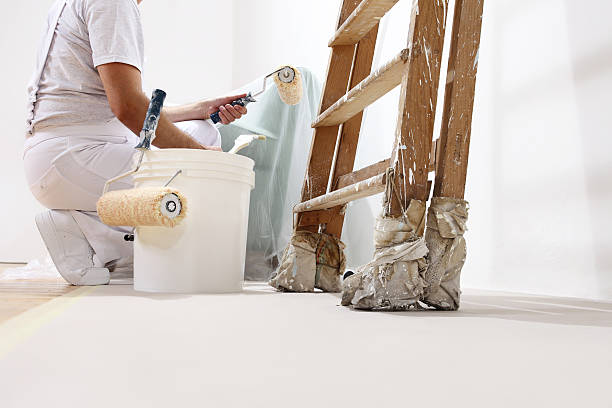
The Advantages of Insurance and Liability Protection When Hiring an Interior Painter
When hiring an interior painter, insurance and liability protection are often overlooked aspects that can significantly impact the success of your project. These protections provide homeowners with peace of mind, financial security, and a more professional experience throughout the painting process. Below, we’ll explore the various advantages of ensuring your interior painter has proper insurance coverage and liability protection.
Financial Safeguards in Case of Accidents or Damages
Accidents are unpredictable, and even experienced painters can encounter unexpected challenges during a project. By hiring an insured painter, you can protect yourself from financial responsibility for any damages or injuries that may occur on your property.
- Protection Against Property Damage: Insurance covers accidental damage to your walls, floors, furniture, or other belongings caused by the painting team.
- Coverage for Worker Injuries: If an uninsured worker is injured while on your property, you could be held liable. Insured painters carry workers’ compensation coverage to mitigate this risk.
- Mitigating Potential Costs: Without insurance coverage in place, you might end up shouldering repair expenses or legal fees in case something goes wrong.
| Type of Coverage | What It Protects Against | Responsible Party Without Insurance |
| General Liability Insurance | Accidental property damage or injuries | Homeowner |
| Workers’ Compensation | Injuries sustained by workers on the job site | Homeowner |
Professional Accountability
Insurance requirements often signal a level of professionalism and dedication from the contractor. Licensed professionals who maintain proper insurance tend to adhere to industry standards and regulations.
- Insured painters are more likely to follow safety protocols.
- They typically have structured approaches to minimize risks during projects.
- Contractors with insurance prioritize customer satisfaction since their reputation is directly tied to their ability to secure future clients.
Legal Compliance
In many jurisdictions, professional contractors are required by law to carry certain forms of insurance. Verifying that your interior painter meets these requirements ensures you’re working with a legitimate business.
- Compliance Benefits: Hiring an insured painter protects you from potential penalties associated with employing unlicensed or uninsured contractors.
- Local Regulations: Depending on where you live, specific policies may dictate what type of coverage contractors must hold. Always confirm compliance before starting work.
Peace of Mind for Homeowners
- You won’t need to stress over potential lawsuits stemming from onsite injuries.
- Any accidental damages will be repaired or reimbursed without delays.
- The risk of financial loss is minimized for both parties involved.
Key Takeaways
Hiring an interior painter with proper insurance and liability protection offers numerous advantages: – It safeguards against unexpected costs due to accidents or damages. – Demonstrates professionalism and accountability from the contractor. – Ensures compliance with local laws and regulations. – Provides peace of mind during the painting process.
Before signing a contract with any interior painter, always request proof of their insurance policies and verify their validity with the issuing provider. Establishing this step upfront will save time, money, and potential headaches down the road.
How House Painters Florida Offer Warranties and Guarantees for Interior Painting Projects
When planning an interior painting project, one of the critical factors to consider is the assurance of quality and peace of mind that warranties and guarantees can provide. Hiring a professional painter that offers these agreements not only protects your investment but also ensures long-term satisfaction with the results. Below, we explore how warranties and guarantees can add substantial value to your interior painting project.
What Are Warranties and Guarantees in Interior Painting?
- Warranties: A warranty is a formal assurance from the painter or painting company regarding the durability of their work. It typically covers defects in labor or materials for a specific period, such as 1–5 years.
- Guarantees: A guarantee generally promises customer satisfaction, ensuring issues like uneven paint application, peeling, or flaking will be addressed promptly at no additional cost.
These agreements are essential tools for homeowners to safeguard themselves against potential issues after the completion of a project.
Benefits of Warranties and Guarantees
- Painters who provide warranties are committed to high standards in their work. This often leads to better preparation, premium materials, and attention to detail during the project.
- You receive confidence that your freshly painted walls will maintain their appearance without premature wear.
- If problems arise due to poor workmanship or substandard materials, warranties ensure corrections are made without extra expenses for you.
- This eliminates unexpected costs and helps you budget more effectively for home improvement projects.
- Knowing you’re protected against potential issues allows you to focus on enjoying your newly painted space rather than worrying about potential complications.
- Trusting experienced professionals backed by guarantees ensures satisfaction with end results.
- Warrantied projects often last longer because painters use superior products and follow best practices.
- Long-lasting finishes mean fewer repainting needs over time, reducing future expenses.
Key Elements Covered by Paint Warranties
| Coverage Area | Details | Typical Duration |
| Labor Defects | Flaws such as bubbling or uneven coverage | 1–3 years |
| Material Quality | Issues like premature fading or peeling | 2–5 years |
| Touch-Ups | Addressing small areas needing refinishing | Specified per case |
It’s important to clarify what is included in the warranty before hiring a professional painter as coverage details may vary between providers.
Choosing Painters Who Offer Warranties
- Ask about specific warranty terms before committing. Reputable painters will clearly explain what is covered under their agreement.
- Verify if both labor and material defects are included in the protection plan. Comprehensive warranties indicate confidence in their skills and products.
- Read reviews or request references from clients who experienced how issues were handled under warranty claims.
By selecting licensed contractors offering reliable guarantees, you ensure lasting value from your investment while protecting yourself against unforeseen challenges related to quality concerns during your interior painting project process.
Avoiding Scams and Identifying Qualified Professionals for Your Interior Painting Job
Hiring a skilled and trustworthy interior painter is crucial for achieving a flawless finish to your home or office project. Unfortunately, scams and unqualified individuals can lead to wasted time, money, and subpar results. By taking the right steps, you can avoid these pitfalls and ensure you’re working with a qualified professional.
Common Red Flags of Painting Scams
- No References or Reviews: A reputable interior painter should have a list of past clients or reviews on platforms like Google or Yelp. If they cannot provide references, it may indicate inexperience or poor service.
- Unusually Low Bids: While affordability is important, extremely low estimates can signal that the contractor cuts corners or uses substandard materials.
- Lack of Licensing: Professional painters are typically required to be licensed in most states or regions. An unlicensed contractor may not meet industry standards or regulations.
- No Written Contract: Avoid any painter who refuses to provide a formal agreement outlining the scope of work, timelines, and costs. Verbal agreements leave you vulnerable to misunderstandings and potential disputes.
- Pressure Tactics: Be cautious if a contractor pressures you into making quick decisions without giving you adequate time to evaluate their proposal.
How to Verify Qualified Professionals
- Check Licenses and Certifications: Verify that the contractor holds valid licenses and certifications required by your state or region.
- Ask for Insurance Documentation: Ensure they carry liability insurance as well as worker’s compensation coverage to protect against accidents on your property.
- Request Multiple Quotes: Obtain at least three detailed estimates from different contractors for comparison.
- Research Reputation Online: Search for reviews on third-party platforms such as Google Reviews, Better Business Bureau (BBB), or Houzz.
- Inspect Past Work: Ask for photos or arrange visits to previous projects completed by the painter.
- Verify Memberships in Professional Organizations: Memberships in painting associations (e.g., Painting Contractors Association) often indicate adherence to industry standards.
Tips for Avoiding Fraud
- Always sign a written contract before work begins that includes details like start/end dates, payment schedule, materials used, and warranties provided.
- Avoid large upfront payments; instead, opt for incremental payments tied to project milestones.
- Be wary of unsolicited offers—scammers often rely on door-to-door pitches targeting unsuspecting homeowners.
| Aspect | What You Should Look For | Why It Matters |
| License & Insurance | Current license number; proof of coverage | Ensures compliance with local laws; protects against liabilities |
| References & Portfolio | Positive testimonials; quality past projects | Provides evidence of reliability and skill |
| Written Agreement | Detailed scope of work | Prevents misunderstandings about expectations |
| Payment Terms | Fair payment schedule | Reduces financial risks |
By carefully evaluating potential painters using these strategies, you can safeguard your investment while ensuring high-quality results that enhance your space’s aesthetics and value.
- How to Choose the Right House Painters Florida for Your Interior Project
- How House Painters Florida Can Enhance the Interior of Your Home
- Top Reasons to Hire a Licensed Painting Company for Your Interior Project
- Top Reasons to Hire House Painters Florida for Your Home
- A Complete Guide to Selecting the Right Paint Type and Finish for Your Home
- A Comprehensive Guide to Choosing the Right Painting Company for Your Business
- Essential Tips for Hiring Professionals for Exterior Painting
- Transform Your Home with Expert House Painters Florida Residents Trust